Lesson Plan | Socioemotional Learning | New Materials and Technologies
| Keywords | New Materials, Technologies, Automation, Computerization, Social Impacts, Emotional Intelligence, Socioemotional Methodology, RULER, Guided Meditation, Group Research, Emotional Regulation, Decision Making, Social Skills, Social Awareness |
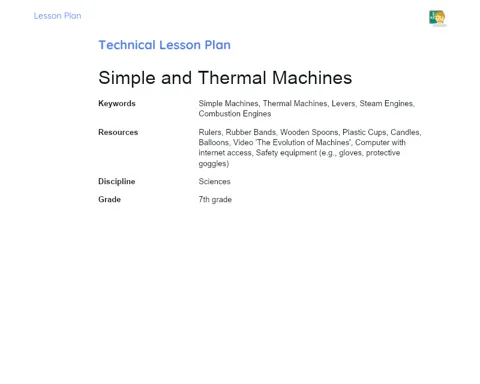
| Required Materials | Computer with internet access, Books and articles on new materials and technologies, Materials for note-taking (notebook, pencil, pen), Paper sheets for writing goals, Projector or whiteboard for presentations, Adequate space for guided meditation |
Objectives
Duration: (10 - 15 minutes)
This phase of the Socioemotional Lesson Plan aims to introduce students to the topic of new materials and technologies, establishing a solid foundation for understanding the impacts of these innovations on society. Through a clear description of the objectives, the goal is to prepare students for subsequent activities, ensuring they are aware of what will be addressed and the purpose of the discussions and exercises that will be conducted.
Main Goals
1. Describe the impact of new materials and technologies, such as automation and computerization, on society.
2. Explore how the introduction of new materials and technologies influences daily life and social relationships.
Introduction
Duration: (15 - 20 minutes)
Emotional Warm-up Activity
Guided Meditation for Focus and Presence
The chosen emotional warm-up activity is Guided Meditation. This practice involves directing students' attention to the present moment, promoting relaxation, focus, and presence. During the guided meditation, students will be encouraged to concentrate on their breathing and release any tension or distractions, preparing their minds for active and emotionally aware learning.
1. Prepare the environment: Ask students to sit comfortably in their chairs, with their feet flat on the floor and hands resting on their knees.
2. Explain the purpose: Inform students that the guided meditation activity will help focus their minds and prepare them emotionally for the class.
3. Start the meditation: Ask students to close their eyes and breathe deeply, inhaling through the nose and exhaling through the mouth. Repeat this deep breathing three times.
4. Guide the visualization: Begin to guide students with a calm and soft voice. Tell them to imagine a peaceful place, such as a beach or a field of flowers, where they feel safe and relaxed.
5. Focus on the breath: Ask students to direct their attention to their breathing, noticing how the air enters and leaves their lungs. Encourage them to maintain a slow and steady breath.
6. Release tension: Instruct students to identify any tension in their bodies and consciously release it, relaxing their muscles and allowing their bodies to calm down.
7. Gradually return: After a few minutes, ask students to slowly start bringing their attention back to the classroom, gently wiggling their fingers and opening their eyes slowly.
8. Brief reflection: Ask them to share how they feel after the meditation, encouraging the expression of emotions and sensations.
Content Contextualization
New materials and technologies, such as automation and computerization, have profoundly and significantly transformed society. Imagine a world where robots perform household tasks, cars drive themselves, and homes are controlled by virtual assistants. These innovations not only facilitate daily life but also impact how people relate, work, and communicate. When discussing these advancements, it is crucial to understand not only the benefits but also the challenges and emotions that arise with these changes. For instance, automation may raise concerns about job replacement, while computerization can raise issues about privacy and security. Understanding and managing these emotions helps in making informed and responsible decisions about how to adopt and adapt to these technologies.
Development
Duration: (60 - 75 minutes)
Theoretical Framework
Duration: (20 - 25 minutes)
1. New Materials: Explain that new materials are compounds or substances developed through advanced research. Examples include graphene, an extremely light and strong material, and bioplastics, created from renewable sources. Detail how these materials are used in various industries, such as electronics, medicine, and construction.
2. Automation Technologies: Describe automation as the use of control systems, such as computers or robots, to operate equipment and processes. Exemplify with industrial automation, where robots perform repetitive tasks on assembly lines, and home automation, with smart devices controlling lighting, temperature, and security.
3. Computerization: Define computerization as the process of converting information into a digital format. Discuss the impact of computerization on society, such as improved access to information through the internet, digitization of documents, and implementation of management systems in companies and schools.
4. Social Impacts: Explain the positive and negative impacts of these innovations. For example, automation can increase efficiency and reduce costs but can also lead to job replacement. Computerization improves communication and access to knowledge but also raises concerns about privacy and data security. Use practical and current examples to illustrate these points.
5. Transformations in Daily Life: Address how these technological advances transform daily life. For instance, smartphones combine multiple technologies into a single device, impacting how people communicate, work, and entertain themselves. Also discuss the emotions associated with these changes, such as anxiety regarding privacy or excitement about new possibilities.
Socioemotional Feedback Activity
Duration: (35 - 45 minutes)
Exploring New Materials and Technologies
Students will be divided into groups, and each group will receive a specific material or technology to explore. They will research, discuss, and present their findings on how this material or technology impacts society, the economy, and the environment. The activity includes a reflection moment on the emotions associated with these innovations.
1. Form Groups: Divide the class into groups of 4 to 5 students.
2. Distribute Topics: Assign a specific material or technology to each group (e.g., graphene, industrial automation, bioplastics, computerization in schools).
3. Research: Instruct students to research the topic using books, articles, and the internet. They should focus on the social, economic, and environmental impacts.
4. Group Discussion: Ask groups to discuss their findings and how these innovations can affect people's lives, encouraging the recognition and understanding of the emotions involved.
5. Prepare Presentation: Each group should prepare a brief presentation (5 minutes) to share their findings with the class.
6. Presentation and Feedback: Groups present their research to the class. After each presentation, open the floor for questions and feedback, encouraging the expression and regulation of emotions.
Group Discussion
To apply the RULER method during group discussion, start by encouraging students to recognize the emotions that arise while learning about new materials and technologies. Ask how they feel about these innovations and if they can identify emotions in their peers during the presentations. Next, help students to understand the causes and consequences of these emotions. For example, excitement may arise from the possibility of new opportunities, while anxiety might stem from concerns about privacy or job replacement. Name the emotions accurately, helping students to expand their emotional vocabulary. Express emotions appropriately, encouraging students to share their opinions and feelings respectfully. Finally, regulate emotions by discussing strategies to cope with negative feelings like anxiety and enhance positive feelings such as excitement and hope.
Conclusion
Duration: (10 - 15 minutes)
Emotional Reflection and Regulation
For the reflection and emotional regulation, propose a writing activity or a group discussion. Ask students to write a paragraph or share verbally about the challenges faced during the class and how they managed their emotions. Inquire how they felt learning about new materials and technologies and working in groups. Encourage them to reflect on which emotional regulation strategies were most effective and which could be improved for future situations.
Objective: The aim of this subsection is to encourage self-assessment and emotional regulation, helping students identify effective strategies for dealing with challenging situations. By reflecting on their emotions and behavior, students develop better self-awareness and self-control, which are essential for their emotional intelligence and responsible decision-making.
Closure and A Look Into The Future
For closing, ask students to set personal and academic goals related to the content of the lesson. Explain that these goals may include practical application of the knowledge acquired, such as continuing to research new materials and technologies or developing specific skills like group communication and research. Encourage them to write these goals on a piece of paper and share them with the class or keep them to themselves as a reminder of their future objectives.
Possible Goal Ideas:
1. Continue researching new materials and their applications.
2. Explore automation and computerization technologies in greater depth.
3. Develop group work and communication skills.
4. Apply the RULER method to regulate emotions in future situations.
5. Investigate the social and environmental impacts of new technologies. Objective: The objective of this subsection is to strengthen students' autonomy and the practical application of learning, aiming for continued academic and personal development. By setting goals, students are encouraged to reflect on their learning and plan future actions, promoting self-management and responsibility.